Auto repairs
Cooling system repair
Your cooling loop moves heat out of the engine and keeps fluids stable in Canadian weather. Factory Tire supports drivers in Toronto, Etobicoke, Rexdale, and nearby areas with testing, maintenance, and radiator replacement when components are past safe service.
Circulate · Shed heat · Repeat
What the cooling system does
The cooling fan, water pump, thermostat, radiator, heater core, heater valve, and related parts work together to remove heat from the engine. At operating temperature the thermostat opens so coolant circulates: antifreeze absorbs heat at the engine, flows to the radiator, releases heat through the radiator walls, and returns—while helping keep other fluids from boiling or freezing. The fan pulls air through the radiator when airflow alone is not enough.
Flush, tests & why maintenance matters
Coolant age & leaks
Over time antifreeze breaks down and loses protective properties. During a flush and fill we drain coolant from the radiator, flush the system, and refill with fresh antifreeze. Cooling fans must move air through the radiator—if the fan or belt fails, temperature can spike quickly. Radiator and hose leaks often show up under pressure, which is why a pressure test is a practical diagnostic step. Skipping basic maintenance can lead to radiator replacement or engine damage—Factory Tire serves cooling system customers across Toronto, Etobicoke, Rexdale, and surrounding areas.
Services in this category
Flush and fill for fresh protection, pressure testing when leaks or overheating are suspected, then radiator replacement when the heat exchanger itself is done—same lineup as our cooling catalog.
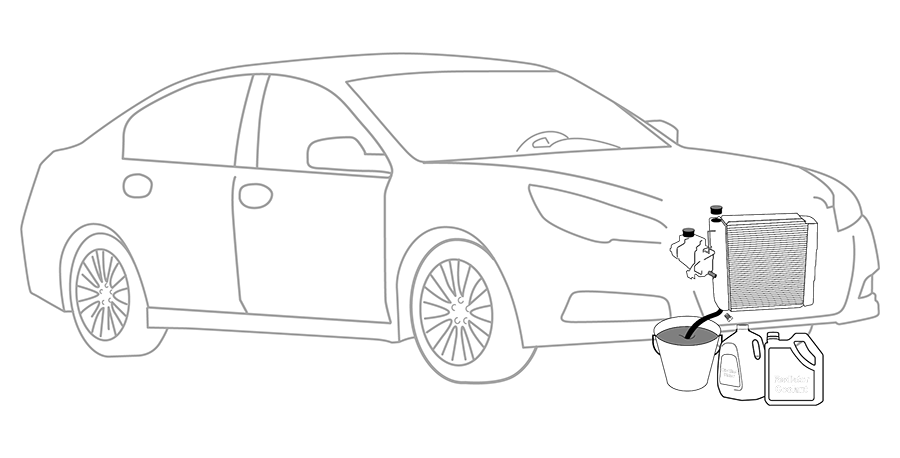
Cooling system flush and fill
Overheating can damage head gaskets and expensive internals. Draining old coolant, flushing debris and corrosion, and refilling with the right antifreeze restores protection for Canadian summers and winters.
- Addresses
- Aged fluid, contamination, boil/freeze margin
- Typical visit
- Drain · flush · refill · bleed as needed
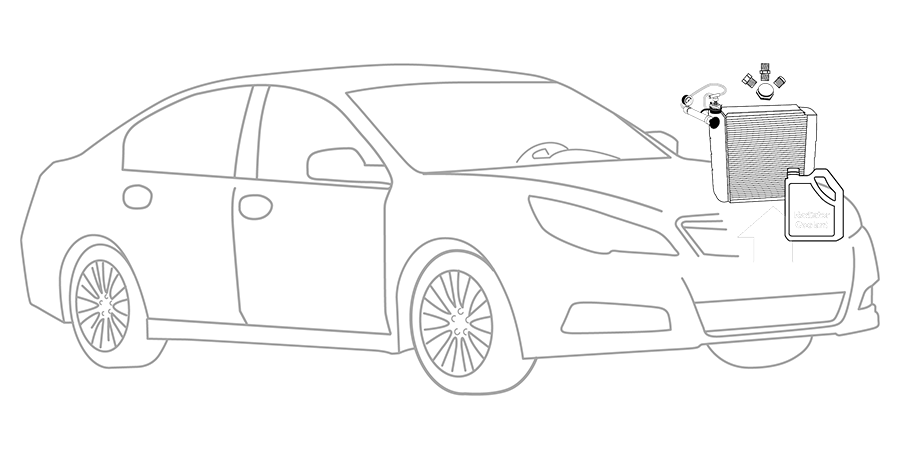
Cooling system pressure test
Combustion engines create intense heat. A pressure test helps reveal leaks in the radiator, hoses, or gaskets before small seeps turn into overheating or coolant loss.
- Signals
- Drips, steam, sweet smell, temp swings
- Outcome
- Leak points identified for repair
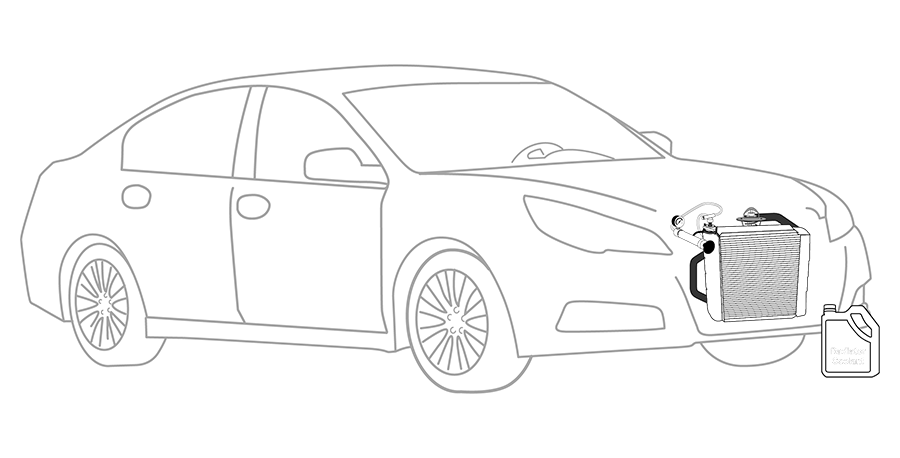
Replace radiator
The radiator is where coolant gives up heat to the air. Cracks, clogged cores, or repeated leaks can mean replacement is safer than another patch—especially if the engine has already run hot.
- When it matters
- External leaks, overheating under load, damage
- Plan for
- Longer bay time; hoses & clamps often reviewed
Cooling system flush and fill
The basics behind cooling system flush and fill services at Factory Tire
In your vehicle, fuel is converted into heat energy, which means the internal temperatures in your engine compartment can increase dramatically in a short period of time. If your engine overheats, it can cause major damage to various components and cost you a significant amount of time and money to fix. The efficiency of a cold engine is low in comparison to a warm engine, and cold engines are prone to pollution. Your vehicle’s cooling system helps maintain a constant internal temperature. Ethylene glycol is mixed with water to make antifreeze, which is used in cooling systems to regulate your engine’s temperature. Your engine’s coolants must be capable of withstanding cold temperatures without freezing and warm temperatures without boiling. Aside from maintaining constant engine temperatures as it passes through the cooling system, antifreeze prevents corrosion and lubricates engine components to ensure that everything moves and performs properly. A cooling system flush is necessary for maintaining proper performance levels.
Why should you have cooling system flush and fill services performed at Factory Tire?
Since antifreeze helps regulate your engine’s internal temperature, it is important to check antifreeze levels often. Coolant levels should only be checked when the engine is completely cool, because engine coolant can be hot enough to burn. Significantly lowered coolant levels usually mean you have a leak, or your engine is running too hot. Driving your vehicle on old engine coolant is a leading cause of cooling system failure. The purpose of any cooling system flush is to rid your vehicle of its old antifreeze. Our service staff can drain antifreeze from your radiator, flush out your cooling system, and add new antifreeze to your radiator. We are happy to do cooling system flushes on vehicles of all makes and models, and our knowledgeable service staff will approach your cooling system flush and fill with complete competence to deliver quality repairs.
We proudly service the Cooling System Flush and Fill needs of customers in Toronto, ON, Etobicoke, ON, Rexdale, ON, and surrounding areas.
Areas served: Toronto, ON | Etobicoke, ON | Rexdale, ON | and surrounding areas
Cooling system pressure test
The basics behind cooling system pressure test services at Factory Tire
In a vehicle with a combustion engine, fuel is converted into heat energy, which means the vehicle can get very hot very quickly. The cooling system reduces internal engine temperatures and prevents possible overheating by dissipating and removing heat from the vehicle’s engine. Cooling systems use antifreeze to control the internal temperature of the vehicle. Engine coolants, like antifreeze, have to withstand low temperatures without freezing and high temperatures without boiling. The antifreeze in your cooling system is composed of ethylene glycol and water. This mixture improves the boiling and freezing points of antifreeze and makes it effective at controlling a vehicle's temperature. Aside from keeping your engine cool as it circulates throughout the cooling system, antifreeze prevents corrosion and helps lubricate the engine to keep it in proper working order. If your cooling system experiences a leak, it’s crucial that you get it checked out sooner rather than later.
Why should you have cooling system pressure test services performed at Factory Tire?
The cooling system plays a very important role in regulating the internal temperatures in your vehicle. Unfortunately, cooling systems are not impervious to damage. Leaks can occur when corrosion is present, and these leaks may be hard to find. Because antifreeze helps maintain consistent internal temperatures while preventing corrosion and lubricating internal components, a cooling system leak left untreated will eventually lead to bigger problems. If you spot a leak, be sure to visit us for a cooling system pressure test. Our pressure test can locate the source of the leak. Once a leak is identified, a member of our service staff can determine the proper repair procedure. Our cooling system pressure test is effective and dependable, and we are confident that we will be able to make the cooling system repairs that your vehicle requires.
We proudly service the Cooling System Pressure Test needs of customers in Toronto, ON, Etobicoke, ON, Rexdale, ON, and surrounding areas.
Areas served: Toronto, ON | Etobicoke, ON | Rexdale, ON | and surrounding areas
Replace radiator
The basics behind replace radiator services at Factory Tire
The radiator on your car helps keep your engine cool. An overheated engine will lead to a breakdown, so radiator maintenance is very important to the overall functionality of your vehicle. The radiator sits at the front of the engine bay and is constructed with slim, hollow channels that run from the inlet tank to the outlet tank. Liquid coolant gets pumped through a sequence of tubes to the engine, where the liquid is warmed by the working engine. After the coolant passes through the engine, it makes its way to the radiator, which is constructed so that the flowing liquid is cooled by air passing through the radiator. The air is allowed in through the grill on the front of the car. Once the liquid is cooled down again, the coolant cycles back through the engine to absorb more heat in a continuous cycle to keep the engine working at optimal temperatures.
Why should you have replace radiator services performed at Factory Tire?
It’s extremely important to repair or replace your radiator if it isn’t working properly. If you think your radiator is malfunctioning, there are signs that might help you determine the appropriate time to schedule a service. One sign that your radiator isn’t working could be an elevated temperature gauge, which is an indication that your engine may be overheating. Another sign of a malfunctioning radiator is a green, yellow, or orange puddle of coolant under your car, which may point to a radiator leak. Radiators spring leaks due to corrosion. If you notice problems with your radiator, contact us and we’ll determine if your radiator needs to be repaired or replaced.
We proudly service the Replace Radiator needs of customers in Toronto, ON, Etobicoke, ON, Rexdale, ON, and surrounding areas.
Areas served: Toronto, ON | Etobicoke, ON | Rexdale, ON | and surrounding areas